Every neighborhood has one: the hot tub that has not bubbled since 2019, quietly collecting pine needles and guilt. Removing one is absolutely doable — but it is the job where DIY plans go sideways most reliably, so here is what it actually involves, from a crew that cuts them apart for a living.
Why hot tubs are a different animal
An empty hot tub weighs several hundred pounds — commonly 400 to 900 — of awkward, grip-free shell. It went into the backyard years ago, often before the fence, the shed, or the landscaping existed. The gate that welcomed it has rarely kept the same math. And unlike a sofa, it is plumbed and wired into your house.
That combination — weight, access, utilities — is why “four friends and a dolly” plans tend to end at the first corner.
Before anyone touches it
- Kill the power properly. Most tubs run on a dedicated 220/240-volt circuit. The breaker goes off, and the disconnect should be handled or verified by someone qualified — this is the one step where “probably fine” is not a plan. If you are unsure, a licensed electrician’s half-hour is cheap insurance.
- Drain it thoughtfully. Let chlorine or bromine dissipate for a few days first, then drain to a landscape area or sanitary cleanout — not the storm drain, which in Washoe County runs toward the Truckee. A garden hose siphon and patience beat a flood.
- Check the paperwork if it is going with a deck. Removing an attached deck section sometimes touches permit territory. The tub alone does not.
How a removal actually goes
Two ways a tub leaves a yard:
- Whole, when the gate math works and the path is clear — tipped on edge, walked on furniture dollies, loaded with more people than seems necessary. Increasingly rare.
- In pieces, which is most of them. A reciprocating saw takes the shell apart in sections; the frame unbolts or gets cut; everything carries out through a normal gate in twenty-minute pieces. Loud for about an hour, then remarkably done.
A practiced two-person crew usually has the whole thing — cut, carried, swept — inside one to two hours. The pad underneath gets its first daylight in a decade, and yes, that clean rectangle is the green spot we named the company after.
Ready to see what’s under there?
Price my hot tub removalWhat drives the cost
- Size and construction. A soft-sided two-seater and an eight-person acrylic tank with a wood surround are different afternoons.
- Access. Straight shot to the driveway, or a switchback past the rose garden? Distance and obstacles set crew time.
- What it is made of, disposal-wise. Acrylic and fiberglass shells have limited recycling routes — that part is honest landfill weight almost everywhere. The frame wood, metal fittings, and pumps do get sorted out and recycled, which trims the disposal side.
It prices like the serious single item it is — more than a sofa, far less than a cleanout — and it is quoted flat before anything gets cut. Volume pricing logic, explained in our cost guide, applies here too.
The DIY version, honestly
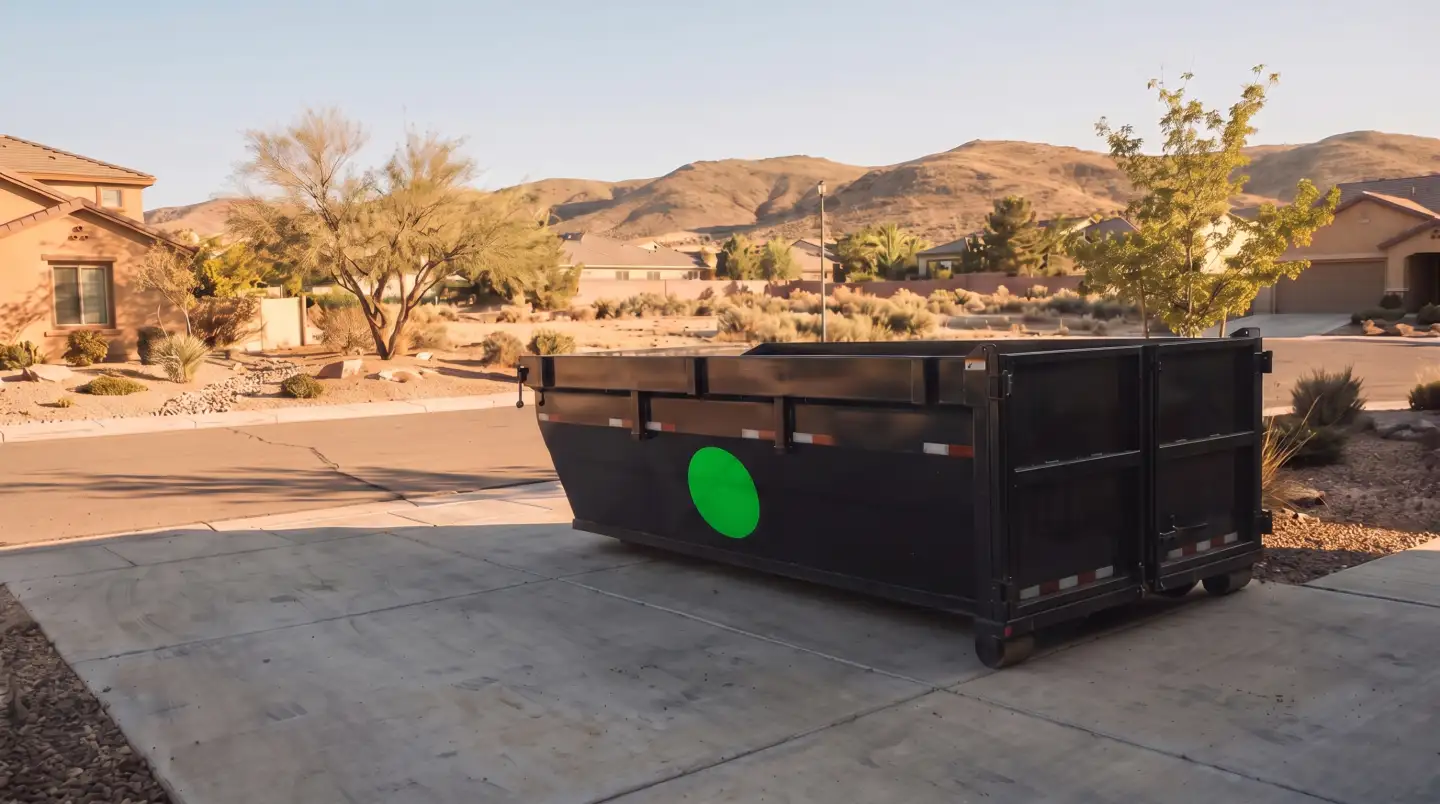
Can you remove a hot tub yourself? Genuinely yes, if you go in with clear eyes. The realistic requirements: a reciprocating saw with a stack of demolition blades (the shell eats them), eye and ear protection, gloves that mean it, a pry bar, a helper, and a plan for several hundred pounds of sharp-edged pieces afterward — which usually means a rented dumpster in the driveway or multiple transfer-station runs with tarps and straps.
Budget a full weekend day for a first-timer, and respect the two hard rules: power verified dead before the first cut, and no cutting anywhere near the equipment bay until you have confirmed where the lines run. The most common DIY surprise is not the sawing — it is discovering how much a “light” quarter-section of acrylic and foam actually weighs on the walk to the driveway. If any of that list made your back hurt preemptively, the pro version costs less than the chiropractor.
What to do with the empty pad
The concrete pad or reinforced deck section under a dead hot tub is honestly valuable real estate — level, load-rated, and wired. The greatest hits from our customers: outdoor dining spot (the wiring becomes string-light power), a raised-bed garden cluster, a firepit conversation circle (check local burn rules), a shed or bike station, and — more often than you would guess — a new hot tub, because it turns out the problem was never the concept, just the 2009 pump. Whatever you choose, you are starting from the cleanest spot in the yard.
What removal day actually looks like
For the planners, here is the play-by-play of a typical pro removal. The crew arrives in the window and walks the route with you first — gate widths, sprinkler heads, the rose bush that matters. Power gets verified dead at the disconnect and the tub-side connections are separated and capped. If the tub goes out whole, dollies and ramps do the work; if it is a cut job, drop cloths go down, the saw does its loud hour, and sections walk out one by one.
Then the part people photograph: the pad gets swept clean, metal and wood are sorted into their recycling piles on the truck, and you sign off on a yard that suddenly has forty square feet of ideas in it. Total elapsed time, most jobs: under two hours from doorbell to broom. Bring the before-and-after energy — the crew never gets tired of the reveal either.
Quick answers
Can I just leave it and deck over it?
People do. Future-you (or a future buyer’s inspector) will not thank you — trapped tubs become rodent condos. Take it out; the yard space is worth more than the shortcut.
Does the water need to be out before you arrive?
Ideally yes, since draining takes hours we would otherwise bill. If it cannot drain (dead pump, no slope), tell us at booking and we bring the siphon and the patience.
What about the electrical and plumbing stubs?
We cap and tidy at the tub side. Rerouting or removing the circuit back to the panel is electrician work — we will tell you honestly if your setup needs one.